
JLXO | Jueteng: The Enduring Numbers Game
JLXO’s Explore the complexities of the illegal numbers game Jueteng in the Philippines, examining its socio-economic roles, cultural impact, and connection to systemic corruption.
Understanding the Complex World of Jueteng
Jueteng is a widely recognized illegal numbers game in the Philippines, deeply embedded in the country’s social and cultural fabric. Despite being outlawed, its persistence highlights complexities in governance, societal dynamics, and the country's economic landscape.
The Origins and Cultural Impact of Jueteng
The roots of Jueteng can be traced back to the Spanish colonial period, making it one of the oldest forms of gambling in the Philippines. Its name is derived from the Chinese word “hou” meaning flower, and “teng” meaning bet, indicating its possible origins or influence from Chinese immigrants.
Due to its long-standing presence, Jueteng has ingrained itself in the daily lives of many Filipinos, especially in the regions of Luzon, including Bicol and Metro Manila. The game is straightforward: players choose a combination of numbers and place bets through a ‘kubrador’ or bet collector. The winning number is typically drawn twice a day, with winners receiving a share of the collected bets.CROYALE88
The Socio-Economic Role of Jueteng
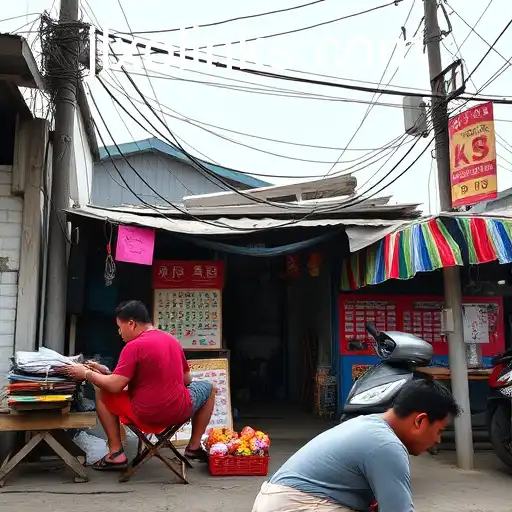
Jueteng flourishes amid poverty due to its low entry requirement; bets can be placed for as little as a peso. It acts as a source of hope for many who perceive it as a potential escape from poverty. The game also provides a livelihood for thousands who work as bet collectors, administrators, and even protectors within the community.
The economic role of Jueteng extends into different sectors, contributing to small-scale economies in provincial areas where legitimate employment opportunities may be scarce. Its survival can be partially attributed to these socio-economic conditions, rendering efforts to eradicate it less effective.JILI CC
Systemic Corruption and Political Implications
One of the most contentious aspects of Jueteng is its intricate link to systemic corruption. The illegal nature of Jueteng means it cannot operate without tacit approval or deliberate inaction from law enforcement. Often, the game thrives with the help of complicit local officials and police officers who are either bribed or themselves involved in the protection racket.65JL
This relationship between Jueteng operators and politicians is mutually beneficial. Funds generated from Jueteng operations often find their way into election campaigns, influencing political dynamics and leadership structures across different regions. As a result, Jueteng's existence underscores the blurred lines between legality and corruption within the Philippine political system.
The Legal and Regulatory Landscape
The 2000s saw renewed attempts to legalize small-town lottery operations as a means to counteract Jueteng by the Philippine Charity Sweepstakes Office (PCSO). However, efforts have met challenges: deregulation issues and the public perception that these lotteries serve merely as thinly-veiled representations of Jueteng itself.
Government campaigns to eliminate Jueteng face obstacles like lack of political will and inadequate enforcement. The ease with which Jueteng operators adapt to law enforcement measures has outpaced legal strategies. Campaigns often result in temporary disruption rather than permanent eradication, highlighting the challenge in dealing with a system so deeply rooted in local culture and politics.PrimoGaming
Potential Solutions and the Way Forward
Addressing Jueteng requires a multifaceted approach that includes economic, social, and political reforms. Tackling poverty and providing alternative livelihoods are essential to reduce dependency on Jueteng. Strengthening education around financial literacy and offering microfinance opportunities can empower communities economically.
Legislative and regulatory frameworks need overhauls to combat systemic corruption effectively. Implementing transparent systems, enhancing accountability, and incentivizing honest governance could deter collaboration between Jueteng operators and public officials.
The role of community engagements in reform efforts cannot be overstated. Encouraging dialogue among local leaders and stakeholders may foster community-driven solutions, aligning with government objectives and offering sustainable change.
Conclusion
Despite its deep entrenchment, the challenges posed by Jueteng are not insurmountable. Reconstructing societal structures and deploying strategic initiatives might eventually diminish its pervasive influence. However, until socio-economic conditions improve and political integrity is restored, Jueteng will likely continue as an enduring symbol of resistance and resilience against inadequate governance and chronic poverty in the Philippines.Vivamax Win
